Category Archives: Uncategorized

Fortress, castle, rock… playing up in Dordogne

A sprinkle of rain and a bit of cloud cover. Perfect paddling weather, or so we thought. Wrong. The kayaking hire places were closed, so we had to ditch the river views for a few days and play a little fortress, castle, rock…
Copyright: Louise Ralph

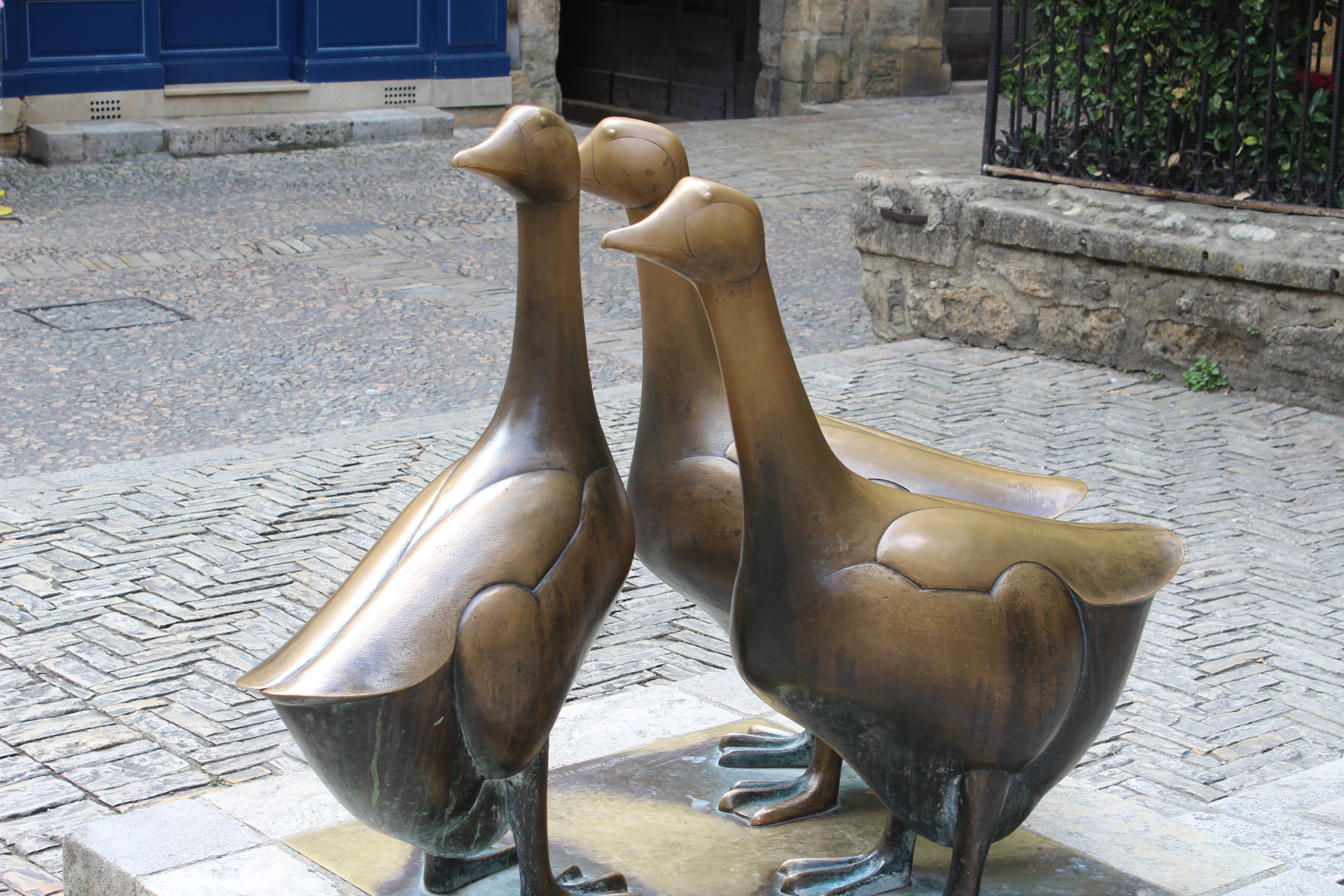
Ducks are the stars of Dordogne – on the plate and in bronze

Quacking up

It’s been great weather for ducks, which is quite fitting here in the Dordogne.

Let’s just say, there’s a few of them around. Fields full of them actually.

And, as we’ve discovered, chefs have come up with hundreds of ways of preparing le canard – including a delicious gizzard salad (a must for vegetarians, not).

Getting historical

Immersing yourself in the history of this place is inevitable – and wise, if only to avoid food and the temptation to buy real estate.

Here’s a snapshot or two…

We walked the steep cobblestone streets of the stunning medieval village of Beynac and up to the fortress above the village.

Cleverly built on the edge of a cliff like an eerie, they had an eagle’s view of the valley and only two sides of the fortress to defend.

Château féudal de Beynac is such an impressive place and not surprising it was the set for Luc Besson’s Jeanne d’Arc (1999).

Then there’s the impenetrable La Roque Saint-Christophe – a town built into the cliff-face along five terraces in the Middle Ages.

EB and I found this place fascinating, with its smokehouse, cowshed, village kitchen, houses, a church and more – all carved into the rock.
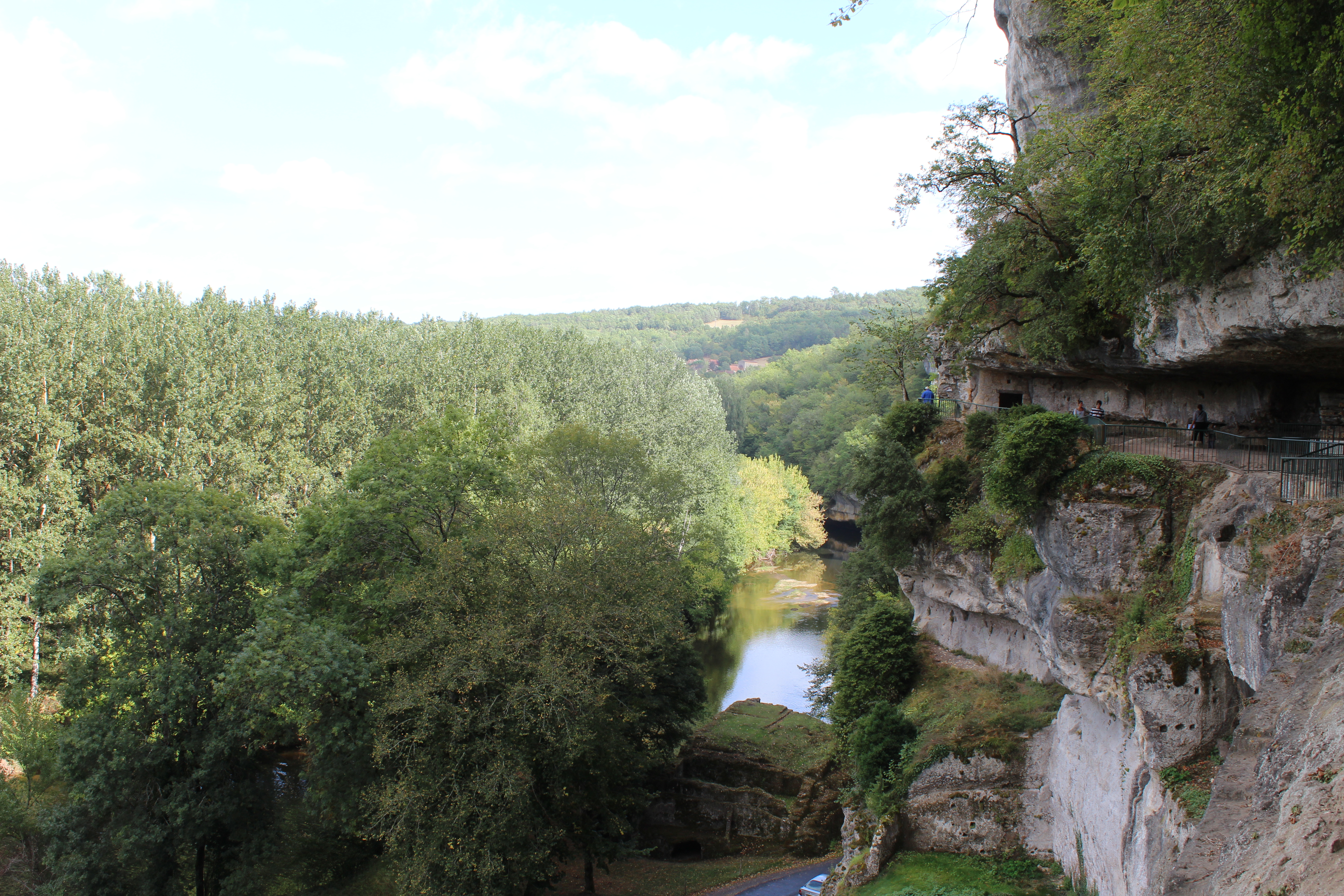
Copyright: Louise Ralph

This ancient town rocks…

But these natural terraces first sheltered hunter-gatherers, and possibly Neanderthal man and then Cro-Magnon man as well…

We also visited Grotte de Lascaux, site of the most famous Paleolithic cave paintings in the world. The original cave was getting loved to death, with over a 1,000 visitors a day in the high season.

All that breathing and body heat, as well as pollen transported in on shoes, was destroying the artwork. So a perfect replica of the cave was built and the paintings precisely reproduced in Lascaux II, making this an awe-inspiring place to visit.

These paintings are so beautifully proportioned, colourful and even three-dimensional it literally takes your breath away.

You get a sense, in the Dordogne, that there really is nothing new under the sun – that humankind has been around for a very long time. And that they were smarter and had more ingenuity than we might sometimes think.

Hitting out…

Feeling a bit castled-out, we decided to take a relaxing stroll through the countryside. Which was only ruined by having to hit golf balls along the way, and go off-piste to find the miss-hit ones in the magical forest lining the course.

It was a seriously beautiful course and the wind was just chilly enough to make you feel alive.

Copyright: Louise Ralph

EB teeing up at the Souillac Golf and Country Club

And the golf? EB played with his usual panache, but me? Well, when I pulled a pitching wedge out of the bag, with the ball 60 metres out from the flag, it was anyone’s guess where it would end up.

Instead, it soared… and dropped within a foot of the hole. There was an eerie silence, if only because EB had stopped talking.

It was a truly historical moment – me hitting the ball well, not EB being silent.

To put this in context, my skill at golf is similar to a vegetarian cooking the perfect steak (I can’t do that either, by the way).

I have to admit, the French air definitely agrees with me.

It was a perfect day under cloudy skies. All we could wish for was a little sunshine, because the Dordogne is waiting to be paddled… and we don’t have a lot of time to hang about.
Let’s hear it for the girls…

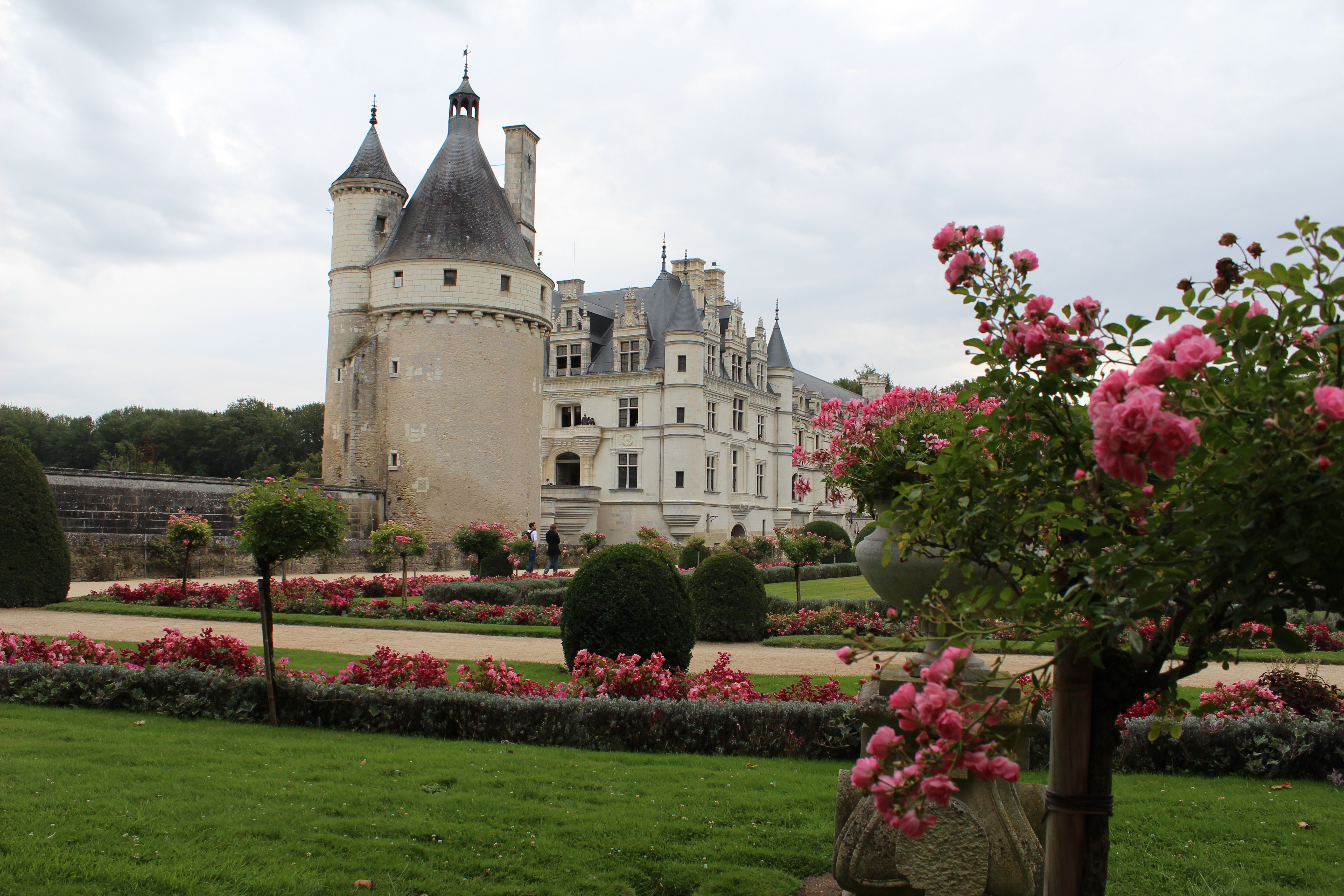
Copyright: Louise Ralph

The Chateau de Chenonceau

Never say never. My sister suggested we go and see the Chateau de Chenonceau – and who am I to argue with someone who should really be writing guidebooks?

We went, and she was absolutely right (thanks, sista).

The promos say it is “a chateau loved, managed, and protected by women” and it clearly is.

Katherine Briçonnet built it in 1513, Diane de Poitiers and Catherine de Medici added their creative flair, and later the beautiful Louise Dupin (who strongly believed in the equality of men and women) saved it during the French Revolution.

In World War I, the chateau became a military hospital for the French Resistance and the kitchen was transformed to cater for this new development.

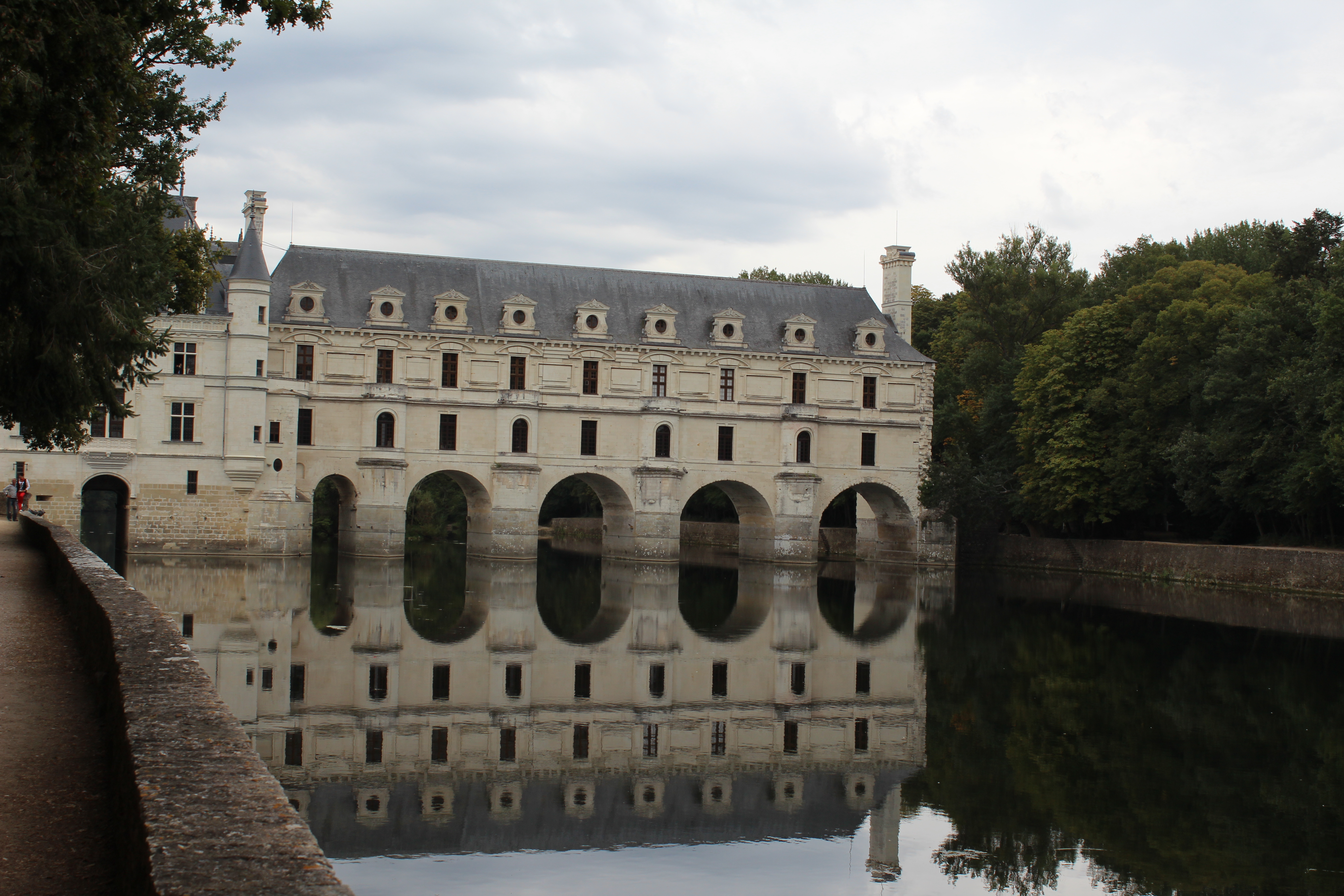
It’s no surprise it’s referred to as the ‘Ladies Castle’. It’s stunning structure, intimate interiors and the gardens, labyrinth and moats surrounding it all bear the touch of a woman.

It is lovingly preserved, with fresh flowers in every furnished room – and stepping into the kitchen takes you back a few centuries. It even has probably the world’s first pizza oven – well, a baker’s oven, but it’s not much different from the ones we see today.

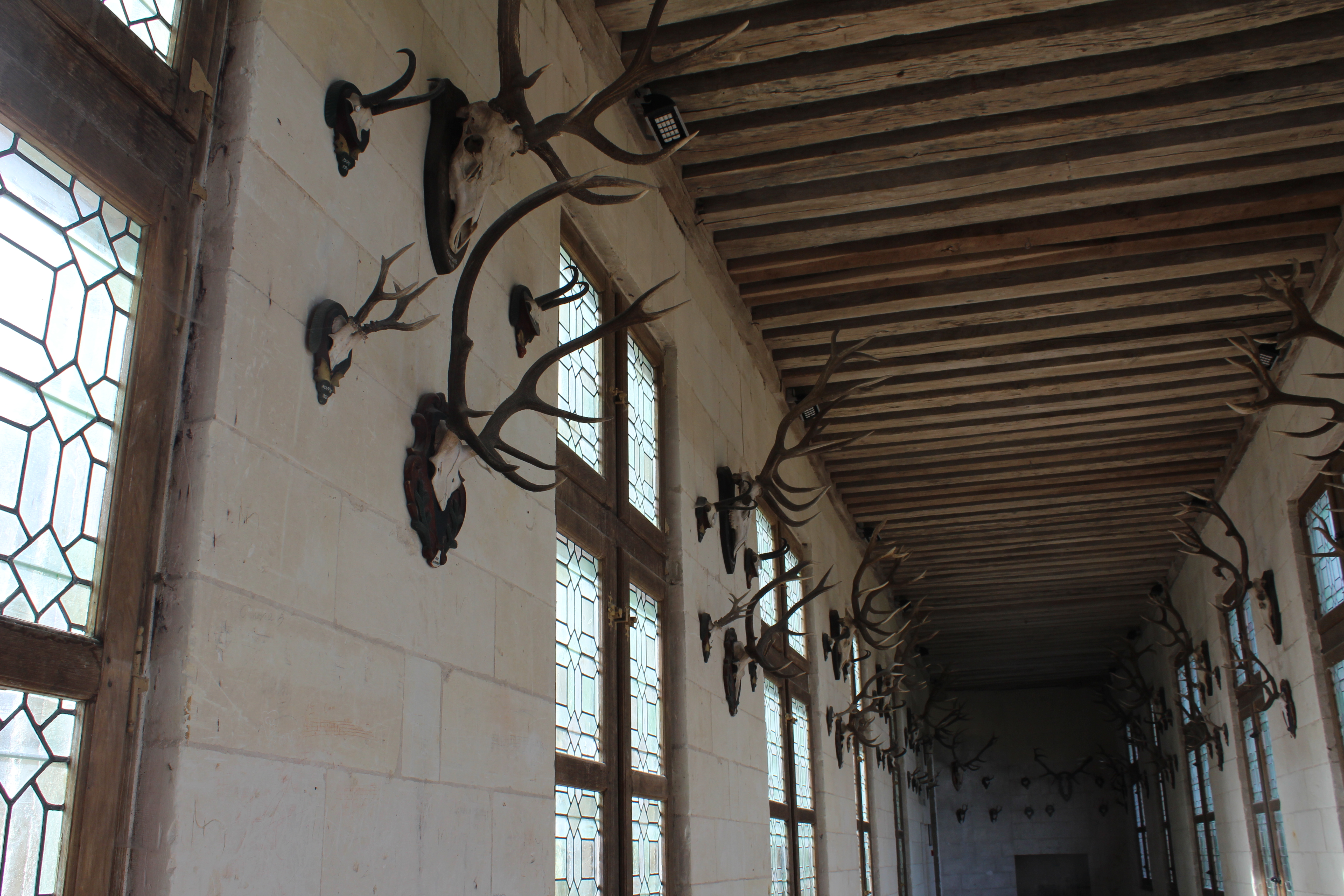
And there are only a couple of deer and boar heads hanging around the place. Which is so much more restful than those drafty hunting lodges…

Yes, yes, men can be so dull at times. But they do make good drivers, apparently.

Copyright: Louise Ralph

…spanning the Cler River


From chateaux to wine caves…

As we drove into the Loire Valley yesterday, we were stunned to see the lavish chateaux everywhere. We expected vineyards and quaint villages. Instead, these ‘getaway lodges’ for the rich and powerful litter the countryside.

You could spend days here visiting chateaux, and some people do. We popped into Chambord Chateau for a look around…

Copyright: Louise Ralph

Chambord Château: just a humble hunting lodge really.

Chambord’s tricky staircase… and EB playing Where’s Wally (aka Where’s Poppy Frank)

Set on a mere 13,000 acres of forested parklands, complete with rutting stags and more, the chateau has enormous fireplaces in every room – but it still looks like a drafty, uninviting old place to stay in.

Which is probably why King Francois I didn’t spend much time there after it was built.

Chambord’s double helix staircase was brilliant. Two open parallel flights of stairs are wrapped around a hollow core.

So EB and I could enter the staircase on the same floor, but from opposite sides, and we could see each other walking up and down…but we’d never cross paths. Spooky.

Copyright: Louise Ralph

That one’s going straight to the pool room, Henry.

And then there’s the pool room… I mean, trophy hall.

These (pictured) are just a few of the ‘decor peices’ hanging around the chateau.

This is probably the best-known chateau in the region, but there are better – or so we’re told.

One chateau was enough for us, and all those stairs had worked up a thirst…

But finding cellar doors that are open on a Thursday afternoon – that’s the real adventure.

We finally came across the Cave des Productuers de Vouvray, and took the tour to find out about the methode traditional and (of course) try the fabulous final product.

Hmmm, chateaux or caves? We are definitely bats…

PS: We’re staying in a chateau ourselves for a few days – Chateau les Muids. But this one is way smaller and only has one deer head on the wall. Phew…


Lost in translation too…

Copyright: Louise Ralph

There’s never far to go to find a crêperie in France – usually a metre or two in any centre ville…

The other day I wrote about my translation issues with my dodgy French. Clearly it goes both ways.

To cater for tourists, many restaurants provide English versions of their menus. This is very helpful – and also very cute and funny.

Everything is literally translated, like crème brûlée (which is to die for over here!).

Their translation: Egg custard with burnt butter topping. Pass.

When comparing white wines to a nearby table of Brits today, a young waiter said “this has more flowers”. I think he meant floral notes, but I’m not sure?

Sometimes they are as lost in translation as we are. And there’s something quite comforting about that.


Lost in translation…

© Royalty-Free/CorbisOkay, before I start banging on about how utterly gorgeous Brittany is, and how breathtaking Mont-Saint-Michel is, and how gobsmacking St Malo is – clearly I have run out of superlatives – I have to tell you…

I’ve been wondering why the waiters have been looking at me quizzically when I order those double expressos avec du lait sur le côté.

It’s all in the pronunciation – and the secret is in the sneaky accent on the ‘e’ (é). Which subtly changes ‘coat’ into ‘coat-aye’.

So here I am ordering milk ‘on the coast’ (côte) instead of ‘on the side’ (côté). Tch!

Now I understand why my French teacher kept telling us to ‘hit the ending’. Learning by doing…


We will remember them…

“You can manufacture weapons
and you can purchase ammunition,
but you can’t buy valor
and you can’t pull heroes off an assembly line.”

Sergeant John B Ellery, U.S. 1st Infantry Division

Copyright: Louise Ralph

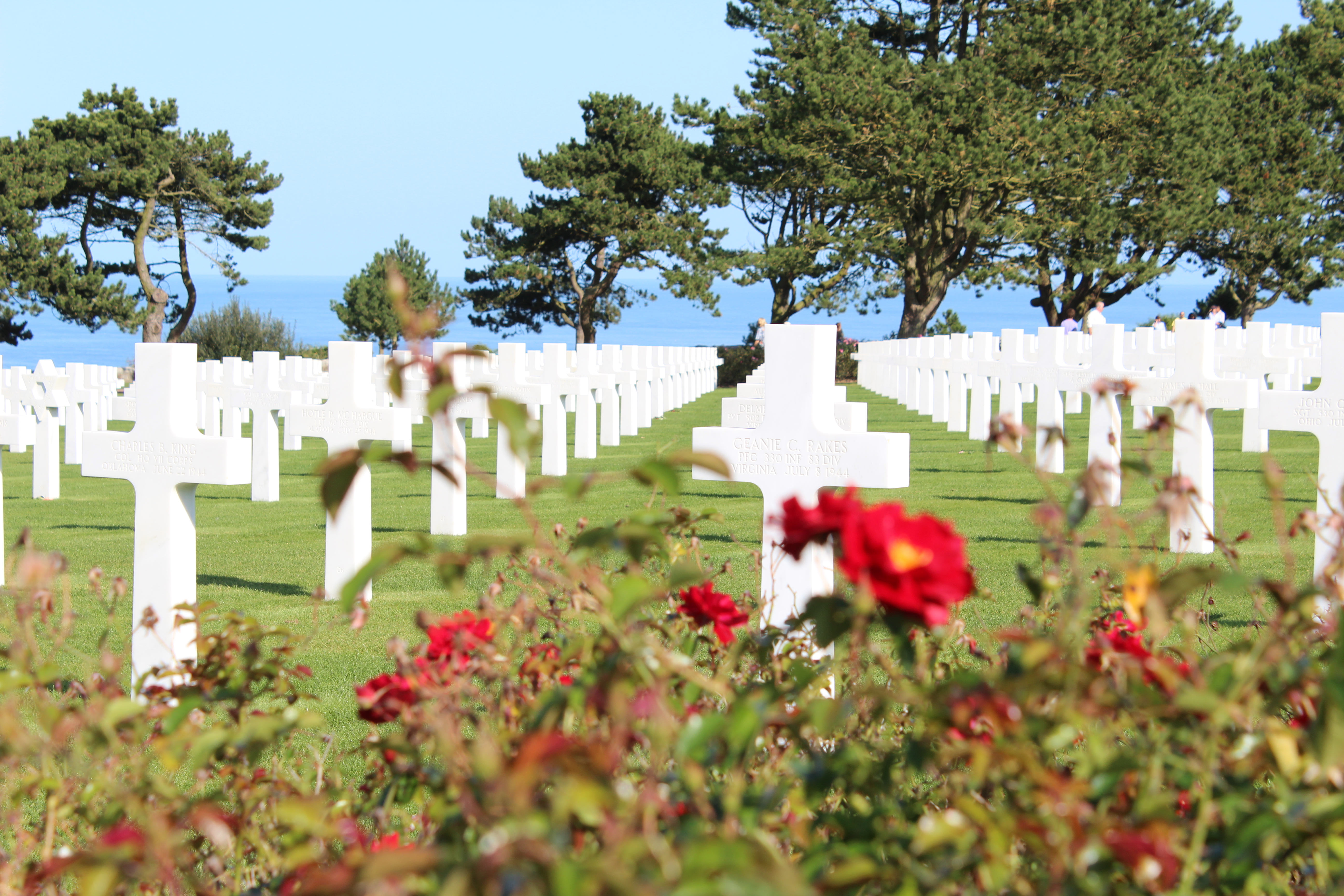
Normandy American Cemetery & Memorial, Omaha Beach

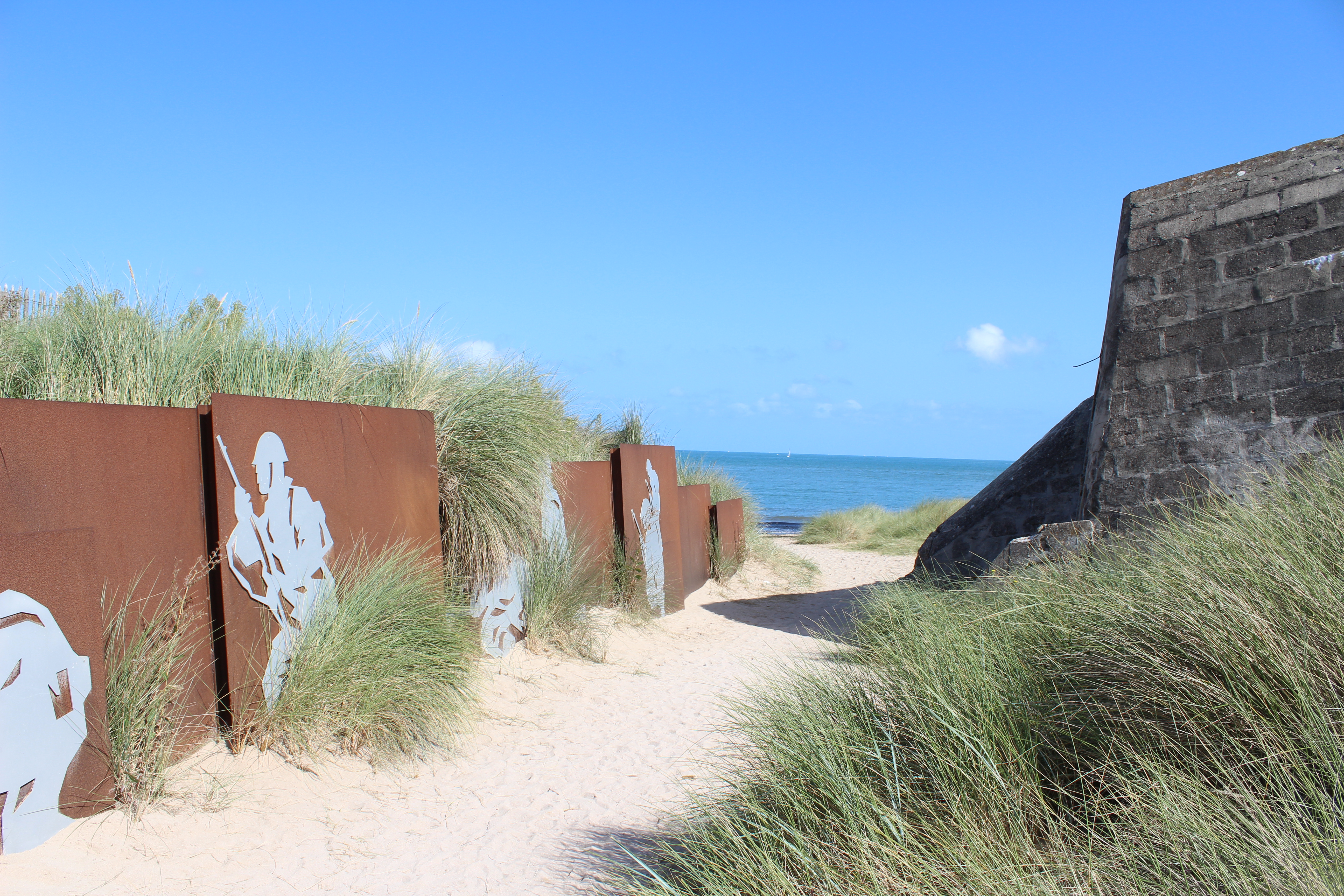
On Saturday, we took an emotional journey along the D-Day beaches in Normandy.

It’s hard to express how truly moving it is to stand on this peaceful stretch of coastline and think about that day – June 6, 1944.

The land is still scarred with zig-zagging trenches, concrete bunkers and other evidence of Hitler’s Atlantic wall.

How close we came to a very different world, and what a sacrifice these thousands of men made to preserve our freedom.

We use the term ‘hero’ so loosely today. These are the real heroes… lest we forget.

Copyright: Louise Ralph


Gone to the dogs…

I see so many shops called Le Chat this or that in France, but so far I’ve only seen three cats. Wild, bedraggled and very un-pampered.

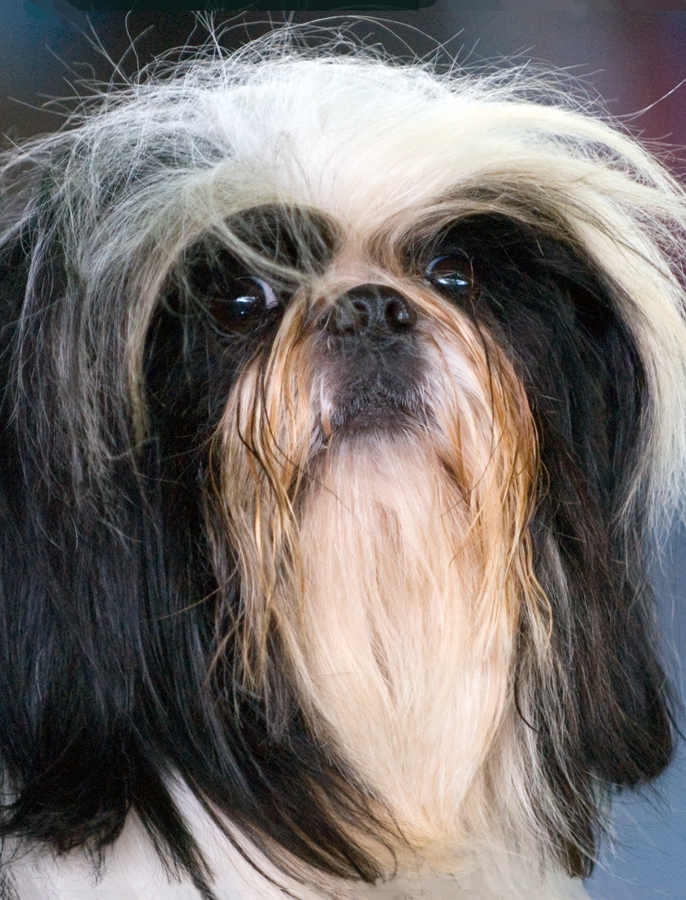
Dogs, now that’s another story. They are everywhere. In shops, beside us in restaurants (yes, even the posh ones), at breakfast in the hotel. Wait… they are guests here?

Two take the lift to the second floor after breakfast this morning, leading their owners. This is taking “a man’s best friend” to a whole new level.

Perhaps it’s true. Somewhere on a distant planet in another galaxy, we are being observed by an alien dog race, intent on studying our behaviour, plotting to take over the Earth.

How else do you explain us brushing and pampering them, letting them sleep on our couch or in our beds, feeding them a gourmet diet – and picking up their poo?

Perhaps, someday, they’ll be taking us for walks and carrying black people-poo bags to clean up our indiscretions. Hmmm, somehow I think that might be beneath them.


From Paris to Port en Bessin

our Paris address…

Au revoir, Paris

On Friday, we said au revoir to Paris with some sadness, but also with a sense of relief that we actually made our way out of the city – in peak-hour traffic (at 10 am…), without a scratch.

Sylvia, our fabulous GPS voice that gently yet insistently guides us, is our new best friend. Gagged (well, bagged) since we left home, she is suddenly wonderfully vocal – and faultlessly directs us out of what is essentially a spaghetti-bowl of roads circumnavigating Paris.

You know those days when technology really lets you down – and winds you up? Today is not one of them.

Bonjour, Port en Bessin

After sticking to the toll roads until Leviers, we convince Sylvia that we really do want to take the narrow, meandering pathway to Normandy. Thanks very much.

After Paris, Normandy’s wide open spaces are a surprise – and the villages along the way are breathtaking. Literally at times, when we squeeze between ancient stone walls and around blind corners.

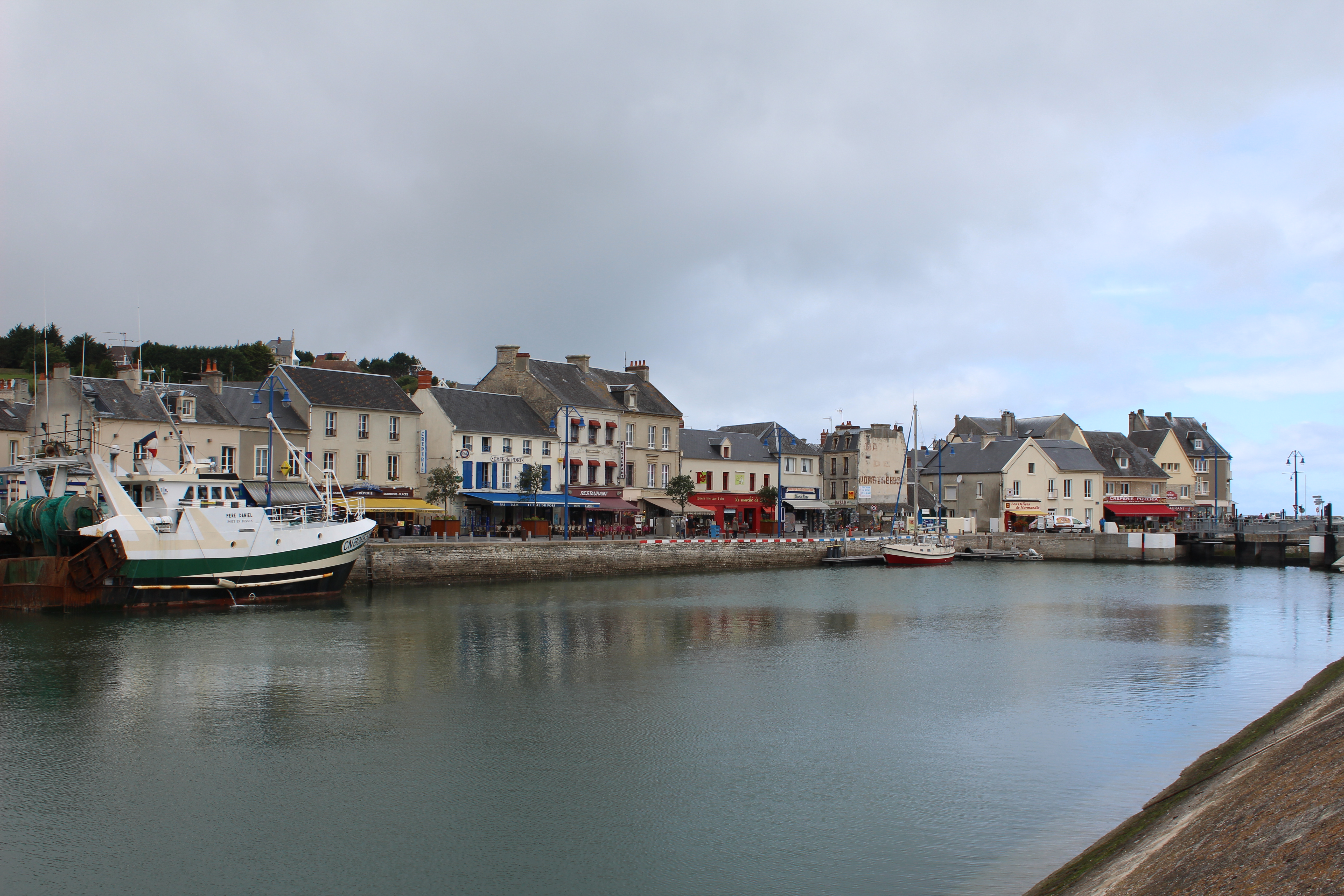
Sylvia finally leads us into Port en Bessin and to our hotel – which is facing the fishing port or face en port. This fishing village is beyond picturesque, and it’s easy to lose track of time here…

Copyright: Louise Ralph

Port en Bessin, Normandy

We suddenly realise it’s six o’clock – and the sun isn’t even thinking about setting. Time to find the seafood restaurant a local has recommended, while Sylvia has a well-earned rest.


Strolling the Louvre

Ce n’est pas la Joconde…

It’s no wonder the Mona Lisa (La Joconde) has that enigmatic smile. The madness she’s seen…

Tourists jostle to get close enough to her to get a snap. Others work their way to the front row and immediately turn their back on her.

Their quest is to be photographed with her. They check their friend’s photography efforts (gotta love digital), nod and walk away…

I pause for a moment to look into those serene yet knowing eyes.

I have someone’s elbow in my ear… and is that a camera almost resting on my head? The price of being short I guess.

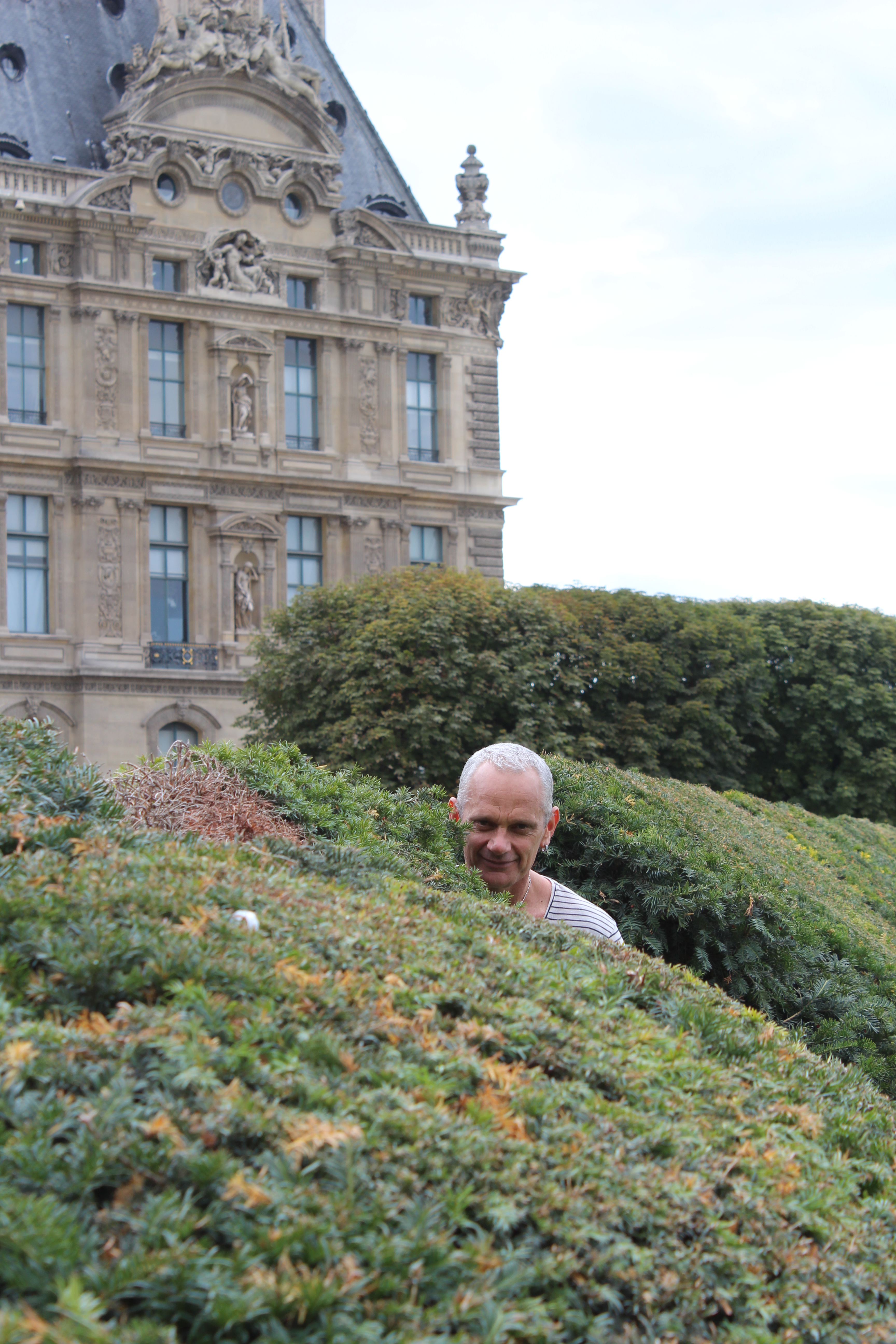
Mais non, ce n’est pas la Joconde soit. C’est EB…

The magnetic Mona Lisa is unperturbed. Long after the snaps feature in slideshows and photo albums, long after the memories have grown tired, she will be here. Ever the celebrity.

Down the hall, a young woman holding a lime green-covered iPad is walking towards us – well, almost over us.

She is spinning slowly, taking in the artwork through the screen.

Every now and then she peeps out from behind it.

I guess there are ways and ways to see the Louvre…


Monumental travel moments…

Notre Dame, Paris (Copyright: Louise Ralph)

Grimacing guardians of Notre Dame

I’ve never really been a big fan of guidebooks, although I’ll admit I  do have a few on the bookshelf back home.

The problem is, when I actually open them and start reading the suggested itineraries, I start having an anxiety attack.

Like about ten minutes ago, when I finally opened our France guidebook…all those churches and museums, art galleries and architectural icons, places to eat, things you must do. Aaaagh.

Don’t get me wrong – they are fantastic to have on hand and really do cover-off on the best things to see, and what to avoid.

It’s just that ticking off the tourist sites has never been a big thing for me. Luckily, EB and I are on the same – um – page.

We like to arrive somewhere, dump our bags and head out the door. We often get lost, but that’s usually when we have the most fun – like when we were hopelessly lost in Venice and desperately in need of a coffee.

A tiny trattoria caught our eye and we pushed open the door. It was brim full of locals, who all stared at us with astonishment.

We soon discovered it was run by two elderly sisters and they hadn’t seen a tourist there in years. They welcomed us like celebrities and proceeded to feed us up to the gills.

Trying to get across the whole ‘vegetarian’ thing required much gesticulating, with the occasional Italian word thrown in. I ended up with half a roast chicken and a glass of vino. It was definitely a ‘Mr Bean’ moment, with EB gobbling bits of it when no-one was looking. Clearly my ‘interpretive dance’ communication method was a monumental failure…

Then there was the impromptu game of cricket with the sherpas on the Annapurna trail in Nepal – thanks to pair of socks balled-up in duct tape, a plank for a bat, and lots of enthusiasm.

Later, our tour group celebrated and danced into the night with the sherpas, fuelled with very watery whisky and nepalese beer, and to the rhythm of a single drum. Even the local villagers turned up to join in.

These are the moments we remember, long after the monuments are just travel snaps in an album.

Roman Krznaric reminds us of the history of travel in his article Capturing life, not landmarks (Psychologies, July 2012) and its influence on how we travel today, guidebook in hand:

“Few of us realise that our holiday itineraries were set by aristocratic travellers more than 300 years ago. We are the unsuspecting inheritors of the Grand Tour tradition of the eighteenth century, when upper-class gents – and the occasional lady – embarked on a high-culture European tour of renowned artworks, monuments and churches, to complete their classical educations.”

So yes, we’ll tick off some of those iconic places, but mostly we’ll hang out on the streets, or let our curiosity take us where it will.

Let’s face it, any monuments we miss aren’t going anywhere. And it’s a good excuse to come back again…